Pahadi Flavors
A Taste of Tradition, A Spoonful of Soul
Where Every Bite Tells a Story
Uttarakhand’s cuisine is not about lavish platters or spicy extremes. It is humble, nourishing, seasonal, and deeply rooted in the land. Born from mountain soil, forest produce, and generations of wisdom, Pahadi food reflects resilience, simplicity, and deep respect for nature.
At Pahadi Parivartan, we believe food is not just sustenance — it’s culture you can taste. Every dish from the hills carries the voice of grandmothers, the scent of forest herbs, and the warmth of slow cooking. Through this page, we celebrate the Pahadi thali — not just as a menu, but as a meaningful story of identity, sustainability, and love.
The Soul of Pahadi Cuisine: Simplicity with Purpose
Pahadi food is designed to suit high altitudes, tough terrains, and cold climates. It emphasizes:
Local grains like mandua (finger millet), jhangora (barnyard millet), and red rice.
Seasonal vegetables, pulses, and wild herbs.
Minimal use of oil or spice, focusing instead on earthy flavors and wholesome nutrition.
It’s food made not just for the body, but also for the rhythm of mountain life.
Staple Grains: Mandua, Jhangora & Red Rice
The backbone of Uttarakhand’s cuisine lies in its indigenous grains.
Mandua (Finger Millet):
Jhangora (Barnyard Millet):
Red Rice (Lal Chawal):
High in calcium, iron, and fiber.
Used to make thick rotis, especially in winters.
Its nutty taste is deeply satisfying and energizing.
Gluten-free and easily digestible.
Used in kheer (pudding), upma, or rice substitutes.
Ideal for fasting days and diabetic-friendly diets.
Grown in terraced fields.
Richer and more aromatic than regular rice.
Served with gahat dal or curry.
These grains are not just food — they’re part of traditional farming practices that preserve soil health and biodiversity.
Signature Dals: Nourishment in Every Bowl
Pulses in Uttarakhand are cooked with minimal seasoning, letting the natural flavor and smoky aroma shine through.
Gahat (Horse Gram Dal):
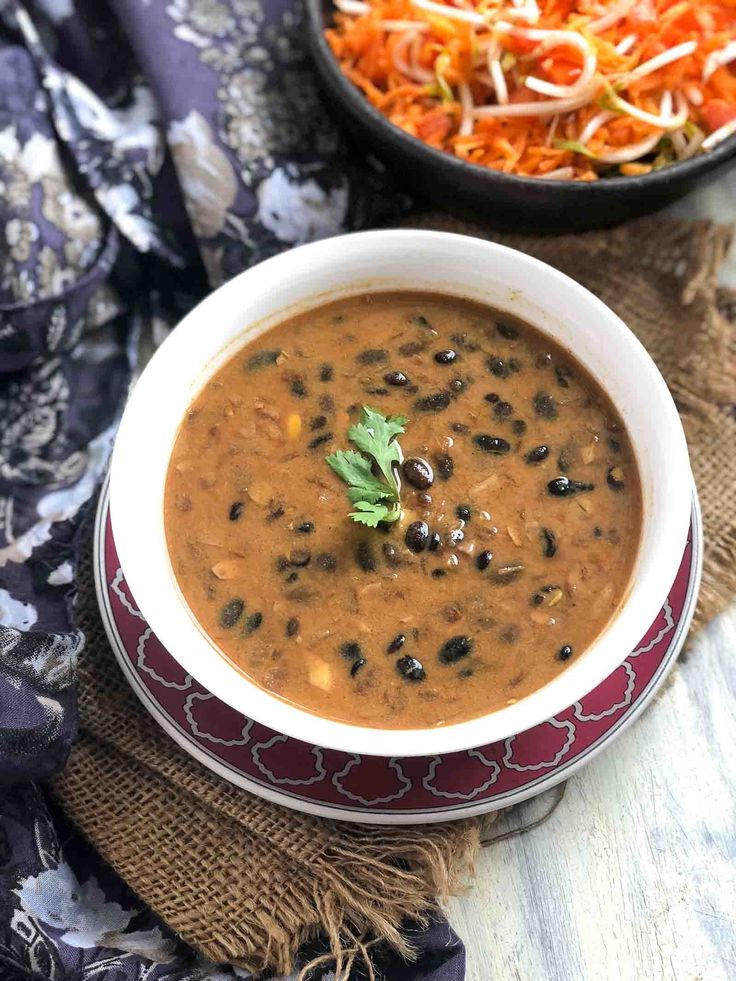
Bhatt ki Churkani:
Chainsoo and Ras:
Rich in protein and iron.
Made into soups, parathas, and even pakodas (fritters).
Traditionally believed to be good for kidney health.
A signature dish of Kumaon.
Black soybeans roasted and slow-cooked into a thick curry.
Served with rice and local green
From Garhwal, made using roasted urad dal (black lentils).
High in heat and energy — perfect for winter nourishment.
These dals are more than dishes — they are ancestral remedies in a bowl.
4. Forest Foods and Wild Greens
The Pahadi diet includes foraged greens, herbs, and edible wild plants — rich in nutrition and immune-boosting properties.
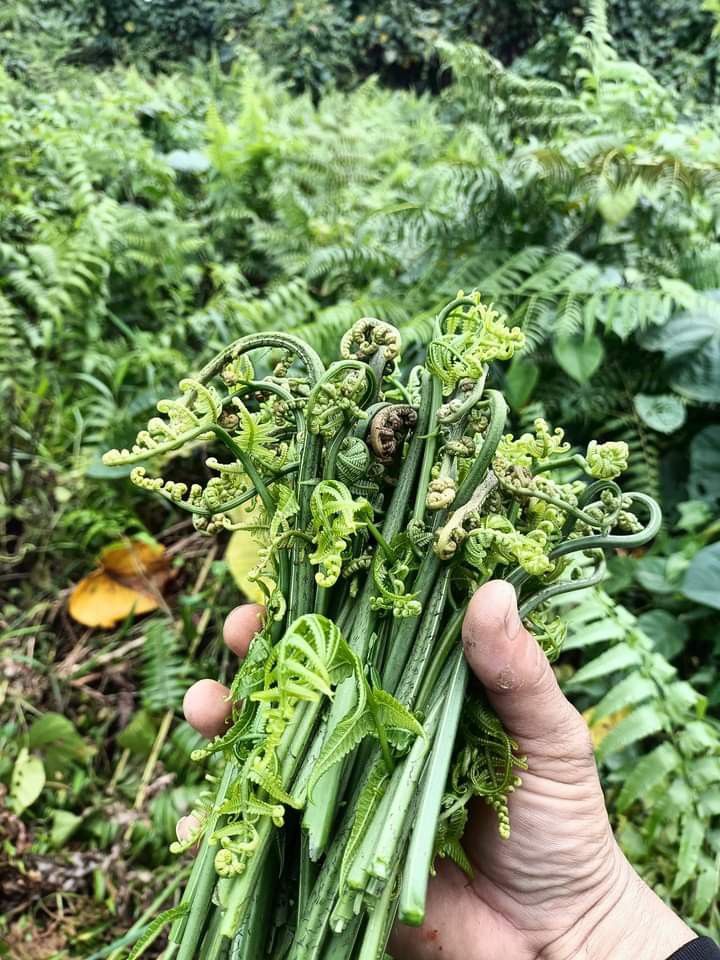
Lingda (Fiddlehead Fern): Cooked with minimal spices or curd.
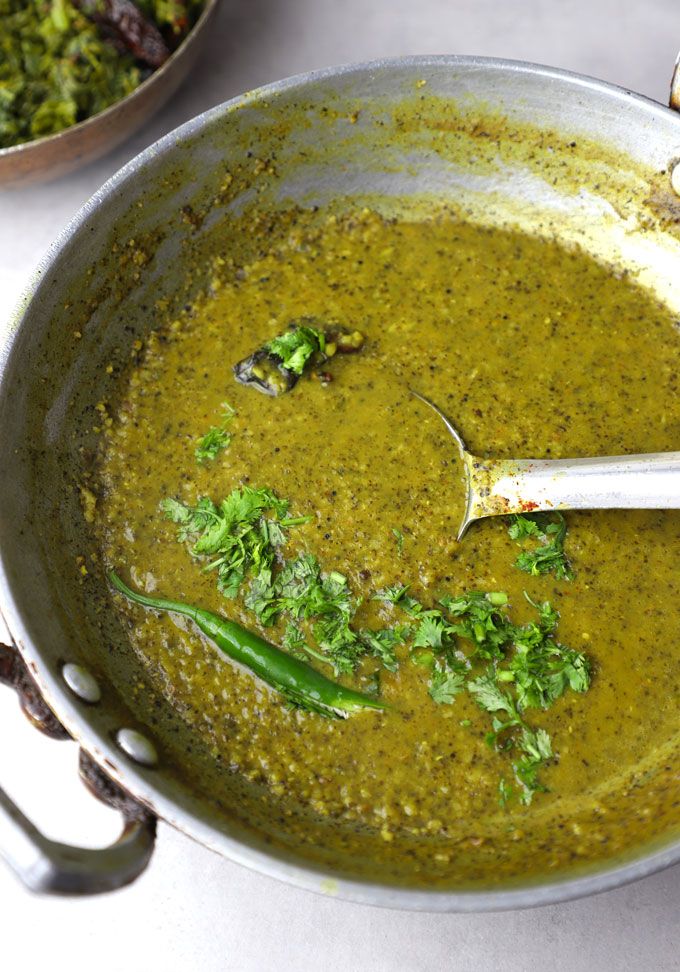
Kandali (Stinging Nettle): Made into soups or saag, a superfood packed with minerals.
Bicchu Ghas Soup: A traditional winter remedy for pain and fatigue.
Villagers use what the forest gives — not just as food, but as medicine and tradition.
Vegetable Preparations: Flavor from the Fields
Mountain vegetables are often sun-dried for winter use, or cooked fresh with mustard seeds, garlic, and ghee.
Palak Ka Kaapa: Spinach cooked with rice flour and tempered with garlic.
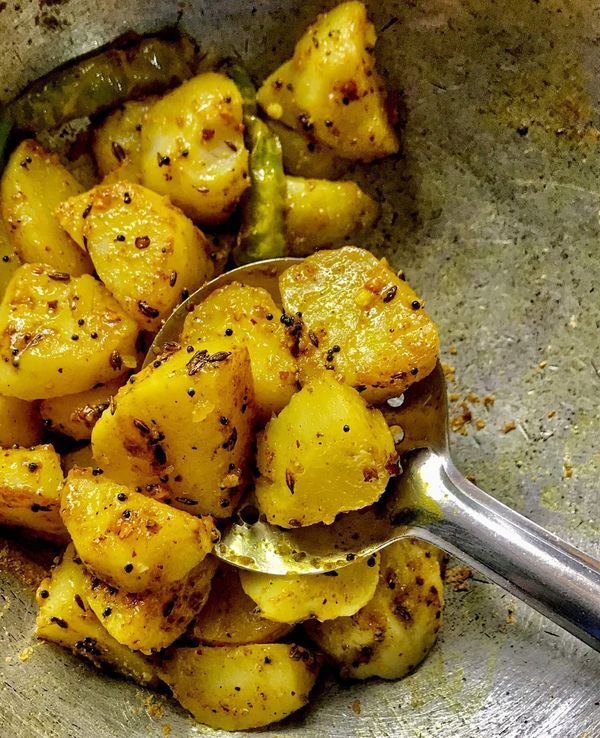
Aloo Ke Gutke: Garhwali dry potato curry with jakhiya (wild mustard).
Pahadi Bhindi: Dry okra with local spices and a smoky finish.
Gobi-Rai: Cauliflower cooked with mustard seeds and turmeric.
Every dish is a blend of taste and time-tested cooking.
6. Pahadi Thali: A Complete Meal, A Cultural Experience
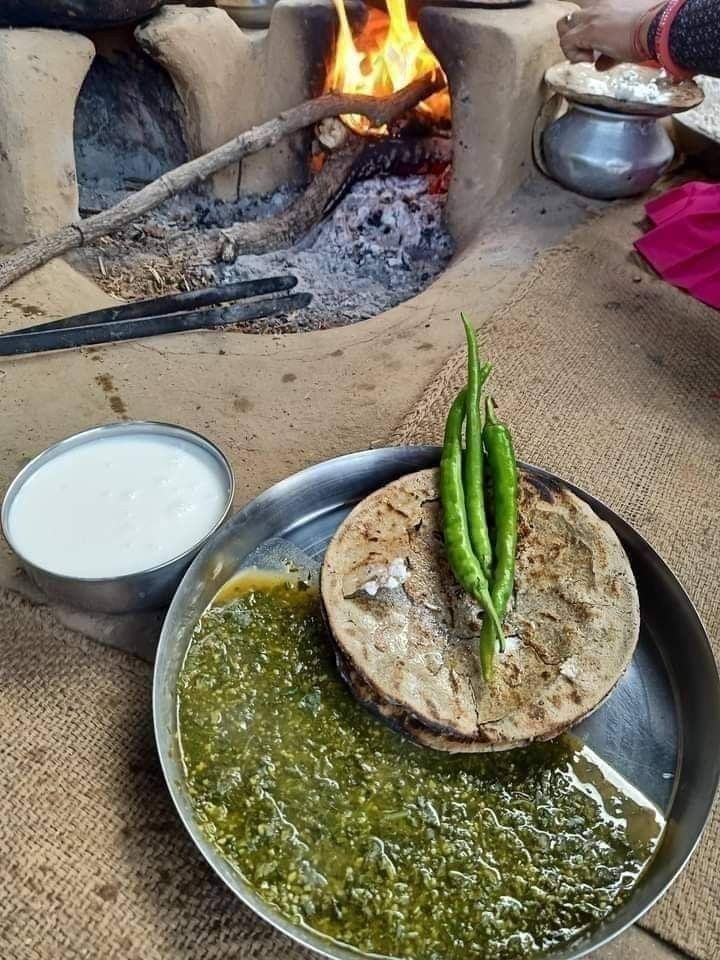
A traditional Pahadi thali is simple yet rich — a celebration of balance and flavour.
Red rice or steamed jhangora
Bhatt ki churkani or gahat dal
Mandua or jhangora roti
Thecha (local chutney with salt and green chilies)
Til ki chutney (black sesame)
A sweet (often jhangora kheer)
This thali reflects nutrition, tradition, and seasonal balance — all served with love.
7. Chutneys & Pickles: Small Bites, Big Flavors
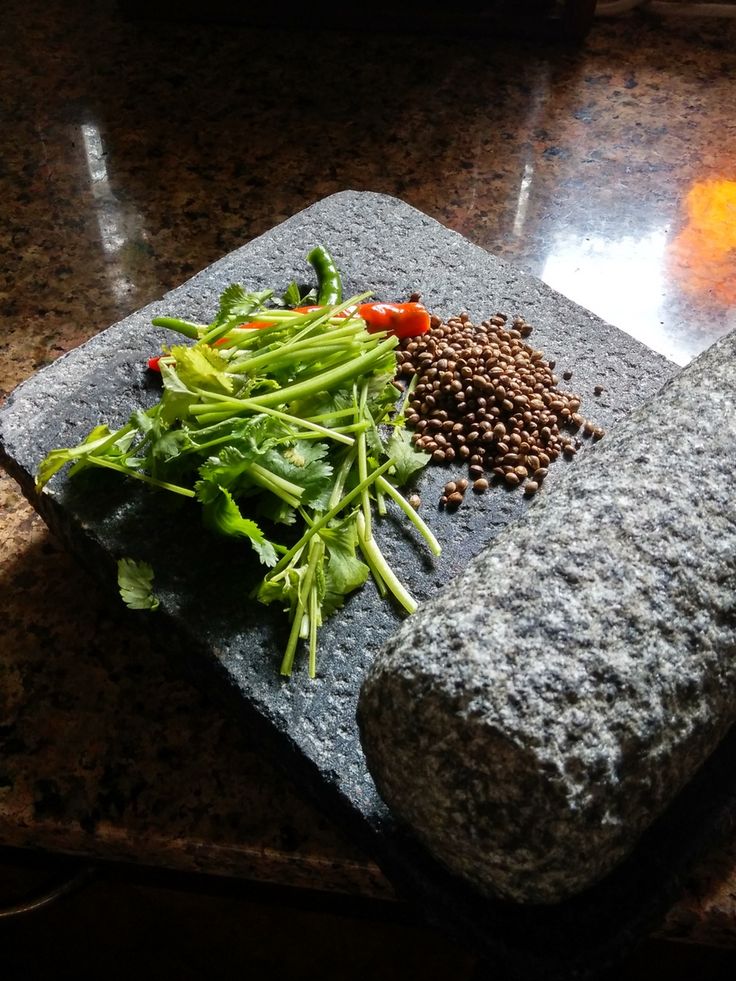
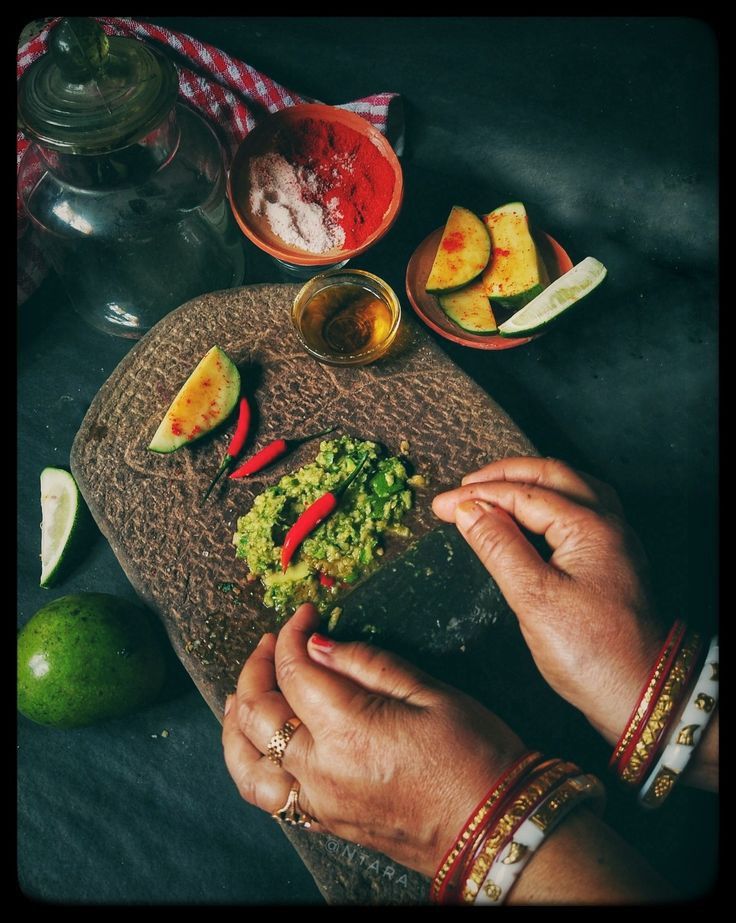
Pahadi meals are incomplete without tangy, spicy, or earthy chutneys, often made from:
Bhang (Hemp seeds)
Til (Black sesame)
Tomato and coriander
Garlic and green chili
Sweets and Festive Treats
Though not very sweet-focused, Pahadi desserts are made during festivals, weddings, or harvest celebrations.
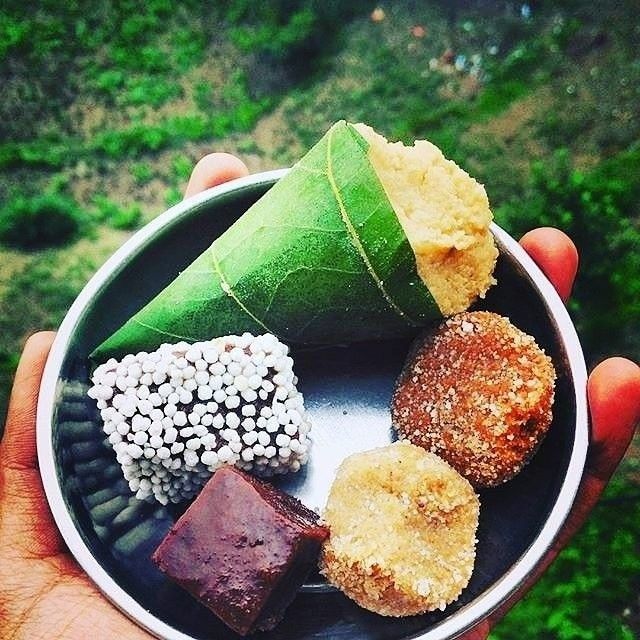
Singhodi: Roasted coconut and khoya wrapped in mallu leaves.
Arsa: Fried jaggery rice dough — a must during weddings.
Jhangora Kheer: Millet and milk pudding flavored with cardamom.
Rot: Thick jaggery flatbreads offered to gods and guests.
Each sweet is made with intent — for sharing, celebrating, and honoring deities.
Festival Foods: When Culture Meets Kitchen
Pahadi festivals have distinct culinary offerings — showing how food is central to every ritual.
Special Dishes:
Phool Dei: Girls prepare sweet bread and curd rice during springtime.
Harela: Seasonal greens and millet dishes are shared.
Basant Panchami: Yellow foods like turmeric rice or suji halwa are made.
Ghee Sankranti (Olgia): Gifts are exchanged and ghee-rich foods are prepared as symbols of prosperity.
These foods preserve seasonal harmony and community bonding.
Pahadi Parivartan’s Culinary Vision
We at Pahadi Parivartan are committed to:
Documenting traditional recipes from real Pahadi homes.
Supporting local food entrepreneurs and self-help groups.
Promoting millet and organic farming.
Collaborating with homestays to offer authentic food experiences to travelers.
Organizing food festivals and workshops in schools.
Because food is not just about eating — it’s about identity, sustainability, and healing.
The Taste That Brings You Home
To taste the flavors of Uttarakhand is to feel the soil, hear the forest, and remember the songs of the hearth. Every bite of a Pahadi meal is a bite of history, of family, of a mountain’s patience and a mother’s love.
Let’s not let these flavors fade. Let’s celebrate them, cook them, and share them — not just as dishes, but as stories that bring us home.